Life Bites – A new series of monologues

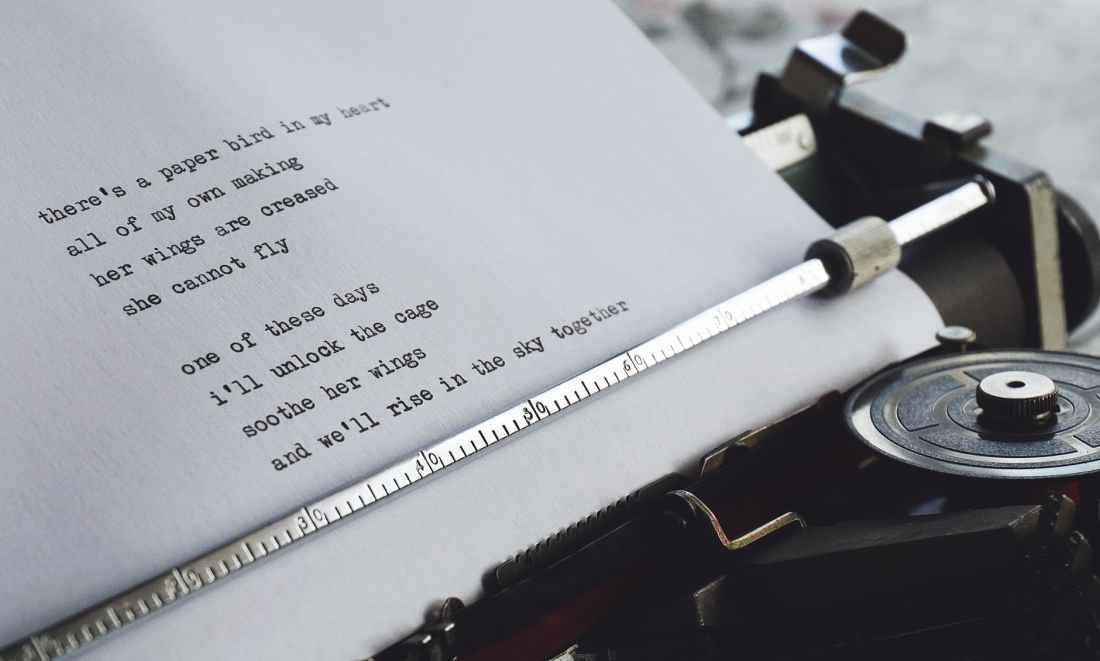
Keep looking for opportunities they say. With no chance of Bolton Little Theater or indeed anyone else’s theaters opening for business anytime soon, creatives are turning to the internet to tell stories and keep connected with their audience. Quite a few local theaters and film-making groups have ventured into monologues, with their obvious advantage of combining lockdown friendly simplicity with potentially great acting and writing. After all, Alan Bennett’s Talking Heads is considered a drama benchmark. Not that I am presenting BLT’s own contribution to the genre as anything like on that level, but it is a versatile format and I hope our Life Bites are going to exploit it.

I was first approached in August with the idea of making short videos for Bolton Little Theater by Carol Butler, who has joined me as producer on this series. She had noticed several of our rivals were already producing them and felt our group was getting left behind. So we proposed the idea to the committee and it was accepted, along with plans for a larger group video filmed at the theater called Stages in Waiting and a short excerpt from ‘Allo ‘Allo, the play we would have been producing in September. Sandra Leatherbarrow suggested the title of Life Bites and it felt right immediately to me. My next act was to set up a dedicated YouTube account and create an animated ident out of the theatre’s logo. A simple coming together of the front symbol and the background coloured square.

Like me, Carol is a writer and performer and had recently been compiling her stories and poems into a forthcoming anthology. She drew on one of these comic stories for the first instalment and recorded it on her smartphone in an impressive feat of learning unknown technology. All I had to do was create the title sequence. I was influenced by the old BBC Play for Today credits from the Seventies. Since these monologues are likely to be all close-ups of performers, I did my best to find photos from old BLT productions which were a good close up of an interesting face and it was actually quite hard to find suitable images in my library. However I persevered and found enough to make the right length of montage, shuffling the actors around to find the best mix. The music was from YouTube’s copyright free music library. Why invite trouble?

Carol’s Pink Fluffy Handcuffs went down really well and has easily been the most successful episode so far. It was followed by Gig 13, Dean Lane’s comic tale of a nightmare gig, not drawn from his own musical career but inspired by it. Dean is an excellent storyteller as well as songwriter. Then there was lull.

After several busy weekends, I finally had time to venture into the local parkland and find a secluded spot to record my entry Helpline. I originally wrote this for the Octagon Theater’s 2014 Best of Bolton evening for local writers, where it was performed by Hylton Collins, before he became a regular on Emmerdale as Tubby Dingle. The idea was one of those that just came into my head and doesn’t have a defined origin. I was just trying to think of a quick story that would fit on a single page. For this video I revised it a bit further, making it a little punchier and adding a contemporary joke. In the end the version I filmed was a little improvised, using the script as a guide because I had not given myself enough time to learn it word perfect. I quite enjoyed editing it, adding a blue filter, some digital distortion, creating an animated message card and filtering the dialogue to give it that monitor quality. Now its out there and I would love you take a look at one of first bits of personal filmmaking I have done in quite a while.

A cautionary tale of time travel tourism

Horror in a Pack – Hot Trumps

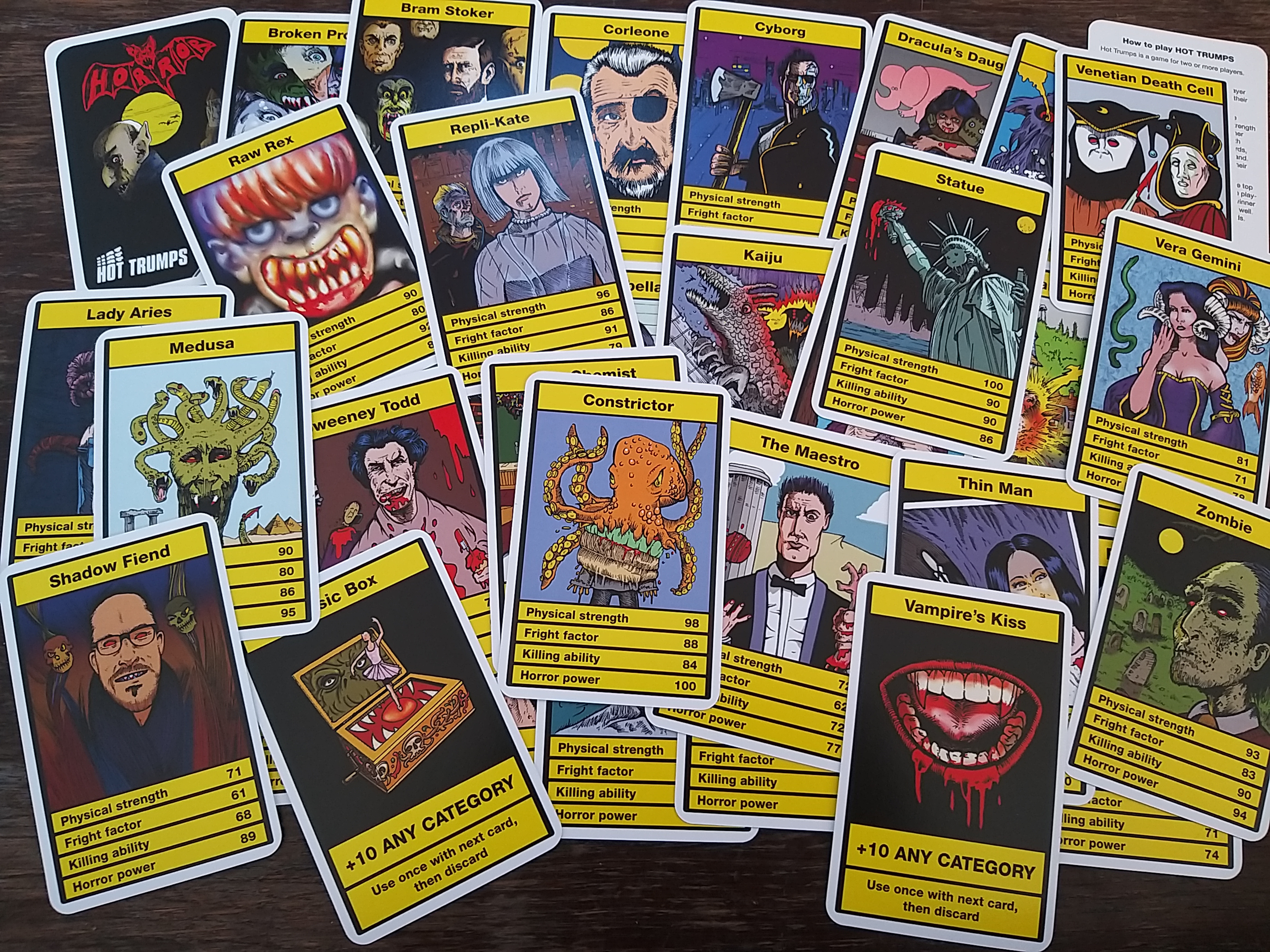
Horror and childhood are closely linked. Not just because we are having the formative experiences that future storytellers will be tapping into for the rest of our lives, but because children are paradoxically one of the major markets for terror filled merchandise. Halloween is around the corner and the supermarkets are full of gaping mouthed zombies, scowling skeletons and howling ghosts, all aimed at the family market. Plenty of toy franchises have their share of monsters. Harry Potter is infused with fairytale gothic. Nineties children made Goosebumps a phenomena. Eighties kids could enjoy Freddy Kruger replica gloves and dolls. But I’m a child of the Seventies and let me tell you we had some messed up merchandise aimed at us, material which somehow seemed a lot closer to the horror aimed at the supposed adult end of the market. Writers and artists on comics like Misty, Scream and 2000AD deliberately tried to get away with as much as they could when it comes to disturbing stories and illustrating them. Children’s television drew from the visual language of Hammer and its rivals. Even the public information films wanted to scare us. Merchandise like the infamous Aurora horror model kits, including one of a screaming girl known only as The Victim! Whilst at school we were playing Top Trumps, which included two marvellous Horror sets. Now Rik Hoskin, Tim Brown and Chatri Ahpornsiri have paid homage to these inspired games with their very own Horror Hot Trumps.

The original Horror and Horror 2 sets were distinguished by wonderfully lurid artwork printed in bright four-colour comic strip style. Blood spurted from victims as monsters attacked them. Everything rendered with dark dramatic inks, the artwork could be ugly, but that was part of its energy. They were recently reprinted by Winning Moves in new retro editions. Just in case you have not come across them, it’s a simple card game where players draw a card, compare stats and player with the highest value wins the round and the other’s cards. Eventually the winner owns all the cards, although in practice when a game dragged on and we got bored, a majority was accepted. Aircraft, football players, motorcycles were typical subjects. Now with these set we could compare the merits of the Madman (killing power 69) against The Living Skull (killing power 63) or The Sorcerer (killing power 72). But Top Trumps had a secret weapon of collectibility. Long before Pokemon and Magic the Gathering, its maker knew enjoyment came as much from flipping through a pack to read their info. For a generation of young fear fans raised on Saturday night TV double bills, and Dennis Gifford’s Pictorial History of Horror Movies, we loved the artwork, not least because we could often recognise the famous publicity stills which the artist had cribbed from. For a Doctor Who fan like myself there was the bonus of seeing a Sea Devil carrying a blood drenched axe, here renamed Venusian Death Cell, or a Daemon now employed as a Fire Demon.

Some of the delights inside Horror Hot Trumps

Hot Trumps is labour of love by Rik Hoskin, multi-media writer and no stranger to this blog, and comic strip artists Tim Brown and Chatri Ahpornsiri. I received a promo pack of Horror this weekend and I love them. Designed to played in their own right or mixed in with the Top Trumps originals, they perfectly capture the gleeful, gory style and humour of the Seventies cards. Amongst my favourites in this set are Martian Machine (horror power 90), Raw Rex (Fright Factor 80) and Dracula’s Daughter (Physical Strength 69).

If you would like a set of your own, the team will be unleashing a Kickstarter very soon. You can find out more by visiting their new website http://hottrumps.com/ and joining the mailing list.


Rik’s having a busy month, not least because he’s still been on the publicity trail for his new novel Bystander 27. He’s written articles for The Nerd Daily and File 770. He’s been interviewed by Roni Gosch for the Litcast of Doom podcast about his marvellous tribute to the Silver Age of comics.

Perhaps most impressively he’s now on YouTube, in conversation with Pierce Brown, author of the New York Times bestselling Red Rising SF series. Talking about Rik’s Bystander 27, and their collaboration on the Red Rising: Sons of Ares comic book series, as well as taking questions from the audience. Enjoy. It was organised by publishers Angry Robot. And read Bystander 27 if you haven’t already.

Hands across the Atlantic

Bystander 27 review

What’s it like to live in a world of superheroes? To turn on the news and hear that an invasion from another dimension has just been foiled by a team of brightly costumed men and women with incredible powers. For the second time that year. Or your trip to the shops is disrupted by an army of living clothes or a wall-destroying rumble between two men in hi-tech armour?

  This is a question that’s been on the mind of Rik Hoskin and it’s the kernel that has resulted in “Bystander 27”, an exciting science fiction adventure, set in a brand new world of superheroes and villains. Hoskin is a veteran author of many rollicking science fiction adventures in the “Deathlands” and “Outlanders” series, writing under the name of James Axler. He’s also written a comic shop’s worth of material for Superman, a host of Disney properties and many indies as well. In “Bystander 27” he brings all that love for the genre into an ingenious page-turner.

  Ex-Navy SEAL Jon Hayes is standing on a Manhattan corner, looking forward to meeting his pregnant wife Melanie, but instead witnesses her violent death as collateral during a fight between Captain Light and one of his archenemies, the Jade Shade. His grief soon turns into an obsession to find out more about how these super-powered individuals operate. However, the more he discovers about them, the more questions he has. Then whilst reviewing a piece of video footage of a recent costumed conflict, he sees something truly impossible.

  There are plenty of twists and turns to come that I would hate to spoil because a lot of the pleasure in this novel is the way the mystery is unravelled. Hoskin clearly has a ball creating a fresh hierarchy of heroes, their mighty nemeses, and then dropping in references to previous adventures. Some have echoes of famous DC and Marvel characters and there is fun to be had recognising the little tips of the hat. He captures the tone of classic comics exactly right, and leaves the reader wishing to know more about the exploits of The Hunter, The Mechanist or Doctor Decay. It feels like an established world.

  New York is described equally well, with some great turns of phrase and touches of humour about its inhabitants. When it comes to action, and there is plenty of that, the fight scenes are excellently choreographed and sharply written. Hayes is an engaging protagonist, capable, skilled but still vulnerable and believable.

  In a media landscape saturated with comic strip heroics, Hoskin manages to find an original angle and has written an exciting high-concept science fiction adventure.

Bystander 27 is available now at all good bookshops including Amazon, with a free online preview

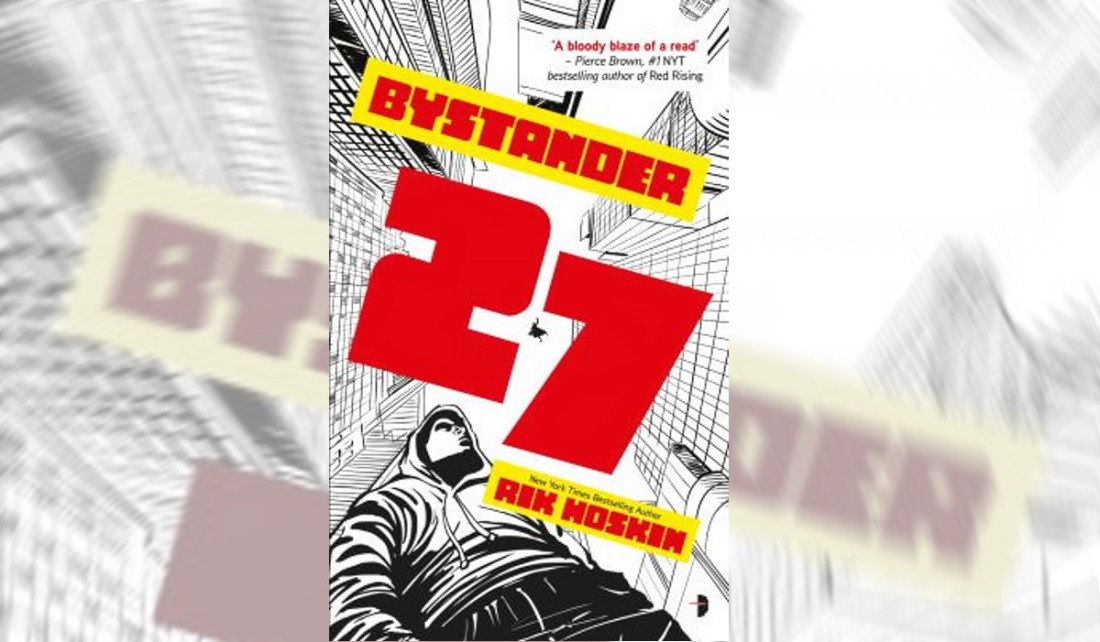
Bystander 27

Long time readers of this blog may recall that my friend Rik Hoskin has already had a long career of writing novels under other people’s names, like James Axler. So it was overdue that he got a chance to write one emblazoned with his own. A name that can already be seen on many a comic, graphic novel, DragonCon award and much else. Bystander 27 is a hugely enjoyable SF adventure set in a world of original superheroes, but told from street level. What’s it like to live in a place in a place which is regularly invaded by aliens, or threatened by monsters created by mad scientists, where only a team of uniquely powered men and women can save you? Ex-SEAL Hayes had never really thought about the superheroes, beyond seeing the on the TV news. But when a battle above Manhattan claims his pregnant wife, Hayes’ search for answers take him down a dangerous route into a secret world.

Expect a fuller review soon but in the meantime you can read three excellent interviews with Rik released this week. Find out about the origins of his first original novel and some of his other recent projects over at Dynamic Forces.

John Freeman’s regular blog about the comic industry Down the Tubes catches up with Rik to talk about the novel, his recent graphic novel collaborations with Indian publisher Campfire, and being the lead writer of the computer game Game of Khans.

Finally there is quite an in-depth conversation with Rik about the novel over at paulsemel.com in which he talks about his writing methods and what he thinks about Abaddon Books’ description of his new book as “Megamind meets John Wick“!

Bystander 27 is available now at all good bookshops including Amazon, with a free online preview

Worktown Words

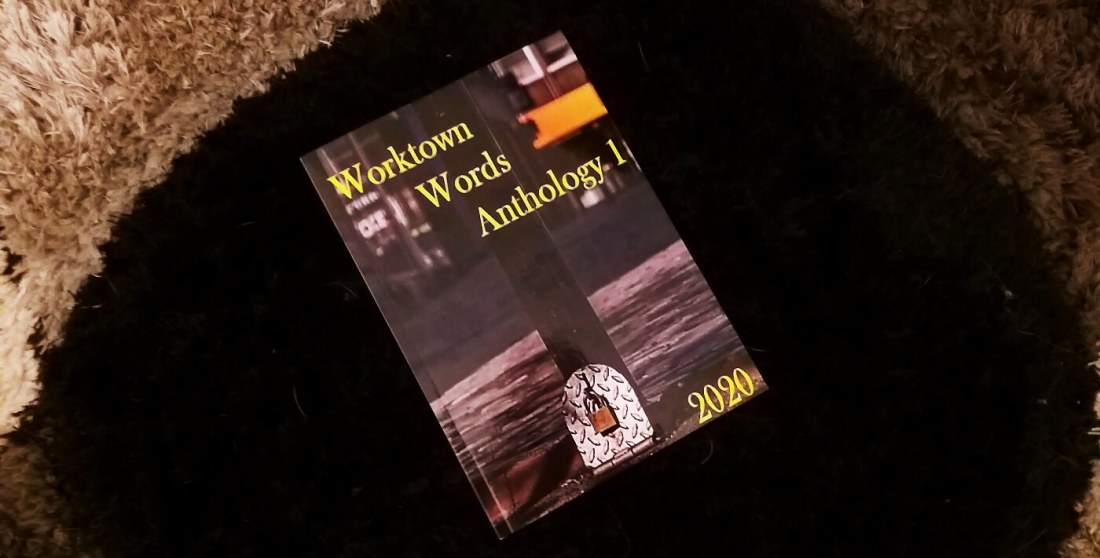
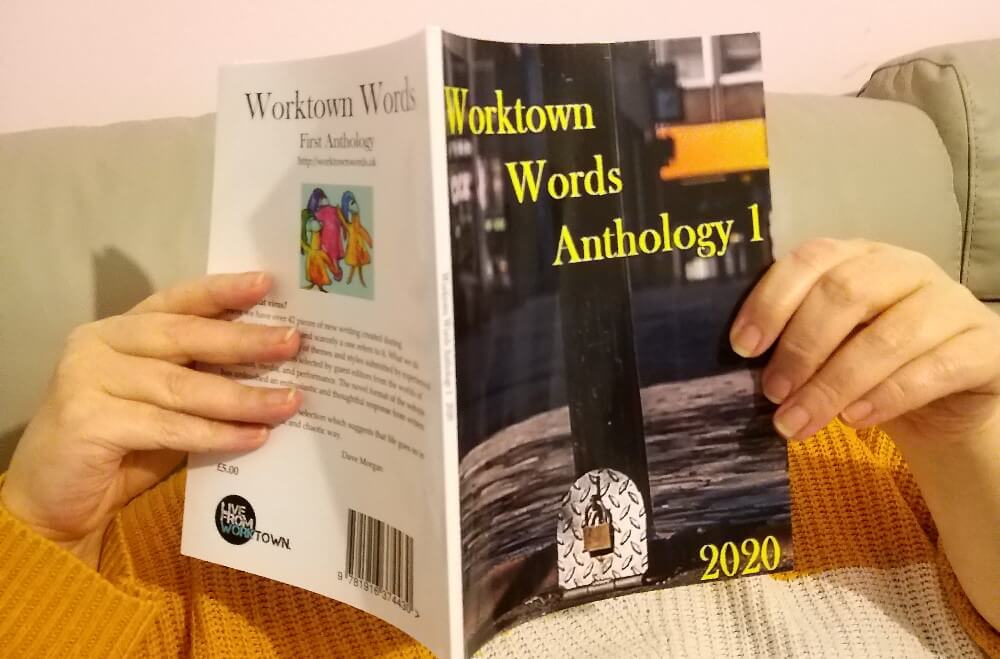
My association with Live from Worktown goes back to 2014 and the first Live from Worktown festival in Bolton. Since then the group has diversified into several artistic ventures and one of their recent successes has been the online magazine Worktown Words. It’s a celebration of new writing from the region, both poetry and short prose pieces. Each issue has a guest editor and I was honoured to be asked to curate Issue 9.

After some thought I chose the word celebration as the theme and over the last few weeks I have been reading a fascinating collection of submissions inspired by my word. From joyful nonsense, through fond nostalgia to bitter irony. Choosing my final ten was a challenge.

You can read the anthology for free at Worktown Words.

Thanks to Paul Blackburn for the opportunity.

Doctor Who – Too Hot for TV Episode 4.5

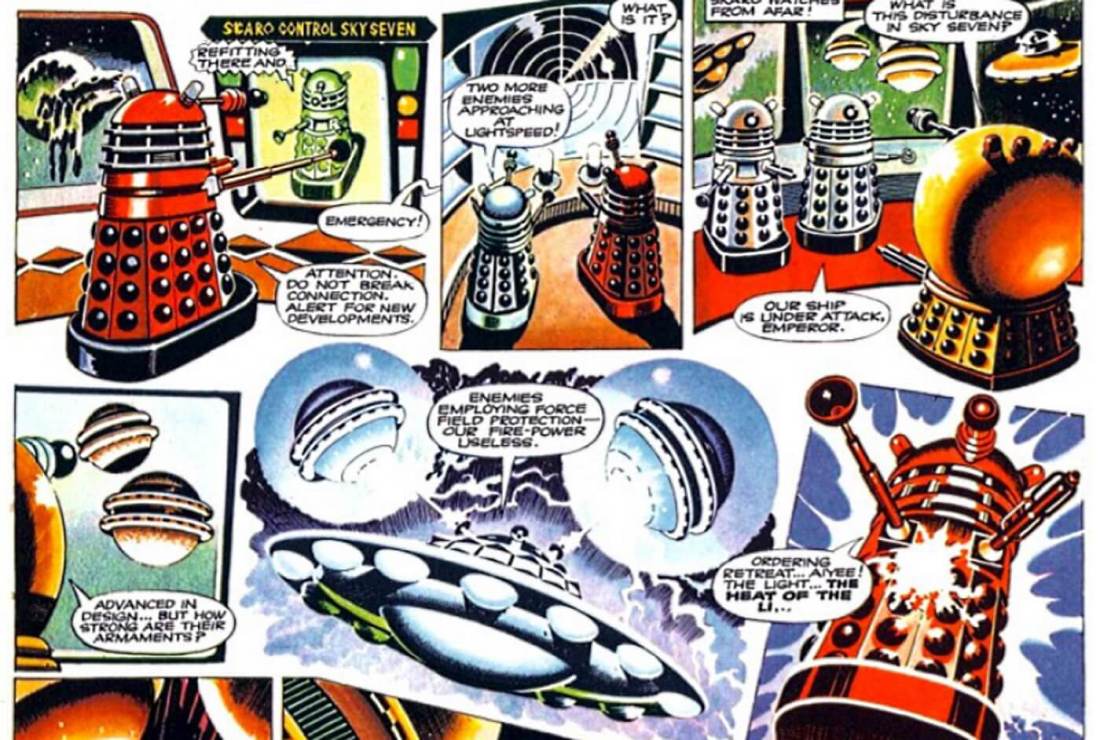
Recently I had a pleasure of guesting on Dylan Rees’ hugely entertaining podcast about the wider world of Doctor Who – comic strips, Big Finish audios, independent videos and similar. For this issue we were celebrating the Dalek’s own comic strip, printed in TV Century 21 at the height of Sixties Dalekmania. Although credited to Terry Nation, it was in fact largely written by David Whitaker, then script editor for the programme and was fairly sophisticated for children’s title. Certainly compared to the Doctor’s own adventures over at TV Comic. All driven by spectacular artwork by Richard Jennings, Roy Turner and Eric Eden.

In addition, we talk briefly about my BBV career, becoming a fan, and the Fine Line Doctor Who audios. It was a lot of fun to record and Dylan has done a good job editing our long conversation into a slick hour. You can find Doctor Who – Too Hot for TV on your podcast app or via:

https://www.buzzsprout.com/864883/4370129-episode-4-5-dalekmania

In addition the latest episode of the Talking Pictures TV Podcast is with us, in which I recommend the classic gothic adventure – The Most Dangerous Game.

The Star Wars movie saga ranked from Best to Worst

I’ve just finished a Star Wars movie marathon, courtesy of Disney+ It’s been the first time I’ve done that since the Disney movies started appearing and that seems as good as reason as any to rate the movies from 1 to 12. Note I am not including the television series or the Ewok movies. (Assume they’d be between 11 and 12.)

1. The Empire Strikes Back
Remains Star Wars’ finest two hours. Armed with a new box of techniques learnt from the first film, the team produce a film that dares to take the story into disturbing and surprising directions, whilst keeping its sense of heroism and fun. The Imperial Walkers are still intimidating, the asteroid chase remains a SFX gem to rank alongside Ray Harryhausen’s skeleton sword fight, and Darth Vader’s declaration is one the best moments in Hollywood movies.

2. Star Wars
Even though its roots in Errol Flynn, Flash Gordon, The Searchers and WWII movies are clearly on show, this film still feels fresh and exciting. It was amazing to see the science fiction pulp world created by books, comics and magazines come alive on the screen back in 1978, as staggering as seeing dinosaurs walk by in 1993. George Lucas cleverly aids the realism of his fantastic universe with his occasional newsreel style framing and giving everything a lived-in look. And underneath all this spectacle, there’s humanity, humour and the pleasure of know much of it was made in Britain, with familiar British TV and film faces turning up all over the place.

3. Rogue One
I was hard pushed whether this or the film below should come next. Rogue One edges it for it completeness, the sense of satisfaction in seeing a film so perfectly executed, including its reshoots. Maybe it stands on Star Wars’ shoulders, but this movie has stood up to repeated viewings.

4. The Last Jedi
Suddenly the Star Wars universe feels exciting again, in the film that bravely deconstructs many tropes of the series, yet still emerges as hopeful and uplifting. The opening bombing sequence is masterly and Rey and Ben’s battle in the throne room just might be my favourite light sabre sequence. Only loses points for recreating the Hoth battle imagery at the end, instead of finding a fresh alternative.

5. Return of the Jedi
For years a very satisfying conclusion to the saga. The first act is filled with pleasures and makes the characters’ adventures feel dangerous and that something is really at stake. Great creature effects too. The gigantic space battle cutting in parallel with the Jedi showdown is marvellously paced. The central core of characters are all in charismatic form, and it’s very quotable too.

6. The Force Awakens
Very enjoyable revival, even if it ultimately plays it too safe with so many call-backs to the original trilogy. But the new quartet of young heroes and anti-heroes are excellently cast and work hard to make their characters engaging. The humour generally works and BB-8 is an ingenious creation.

7. Revenge of the Sith
We entering the more problematic section of the list, where the films are still diverting but the flaws are progressively hard to ignore. This film handles the fall of the Jedi and the failure of the republic pretty well. The battle between Obi-Wan and Anakin is spectacular stuff, though suffers from CGI overkill. In fact as with all the prequel films, the fussy CGI often works against the atmosphere and the choreography. Aside from Ian McDiarmid as Palpatine, pale, calm and sonorous, once people open their mouths the hideous wooden dialogue ruins all the good work elsewhere. That goes double whenever it’s supposed to humorous.

8. The Clone Wars
As a piece of escapist family friendly action adventure, this works jolly well. The art design is ingenious. Ahsoka turns out to one of the series’ most engaging young characters.

9. Solo
Star Wars goes fully space western and it’s a fun ride, but the largely predictable box-ticking plot shows the weakness of the idea with these kind of prologue films. We know this story already and where it’s going. Alden Ehrenreich does a decent job with the unenviable task of filling Harrison Ford’s boots, but the real star of the film is Phoebe Waller-Bridge as L3, a droid straight out of Douglas Adams’ universe.

10. Rise of Skywalker
The saga sadly ends with this Frankenstein’s monster of a film, patched together by a studio over-reacting to criticism and fearful of losing money. Sadly, most of the interesting ideas brought in by The Last Jedi are thrown out, along with a lot of story logic. It’s a hollow film with moments of brightness such as the colourful festival on Pasaana, but mostly it’s one long chase after another, spliced with lazy borrowing from Return of the Jedi.

11. The Phantom Menace
Undoubtedly impressive alien worlds, the final acrobatic light sabre battle enjoyable, and Jar Jar Binks is a technical innovation. However, the plot is moribund, most of the cast looks uncomfortable, the racial stereotyping is problematic to say to least, and the dialogue is embarrassingly flat and corny.

12. Attack of the Clones
All the problems of the previous film, except the CGI looks extra cartoonish and the romance scenes are toe-curlingly bad. Every line Anakin utters to Padme seems deeply creepy, and Hayden Christensen brings nothing except a shaggy haircut. It’s a clunky, juvenile film even by the series’ standards. Only Temuera Morrison emerges with any credit for the presence he brings to his short appearance as Jango Fett.

Doctor Who – At Childhood’s End Reviewed

Ace and monster rat

It is fair to say that Doctor Who is almost as much a literary world as a television one. Even before Virgin Publishing released the first authorised original novel Timewyrm: Genesys by John Peel in 1991, many fans including myself had followed the Time Lord through the Target novelisations of stories which we thought we would never see on television again. Not to mention the hundreds of pages of fan fiction which had emerged since the Seventies, a handful of whom’s authors would eventually come to create stories for the actual BBC series. So Sophie Aldred’s first novel materialises into an universe already hundreds of books wide. So it is to her credit (and that of Mike Tucker and Steven Cole, who she openly credits as collaborators in the acknowledgements) that it is an enjoyable read that tells a fast-paced space opera with imaginative new alien races. It also captures her fictional persona Ace perfectly and gets the voices of the current TARDIS crew satisfyingly authentic too.

Ace herself has had a more complicated fictional life than most companions. Her status as the Doctor’s current companion when the show was cancelled in 1989 meant that her adventure across the vortex never had an official conclusion until now. So her history is split into many alternatives across books, comics and audios. She’s had heroic deaths, tragic deaths. Grown up to be a hardened space marine, grown old by the Doctor’s side. Settled down in 19th century Paris, or become Earth’s Champion with her own time-travelling motorbike, or a myriad others. Cleverly this novel addresses these alternatives without become bogged down in trying to reconcile them, before setting out to tell its own story of what Ace did next, inspired by suggestions by ex-showrunner Russell T Davis. Davis had said in an interview in Doctor Who Magazine that if he had stayed for a fifth season, an Ace reunion story might have been on the cards, with Ace as a wealthy charity boss whose slick businesswoman facade would have cracked to reveal the baseball bat wielding rebel she still was underneath.

I was a little concerned that the opening chapters of the book read too much like a wish fulfillment fantasy. Ace is a billionaire who lives in a gleaming London skyscraper penthouse, drives an eco-friendly prototype sports car, and has her own secret ‘batcave’ laboratory workshop of gadgets and alien tech. In addition, she owns a global charity organisation called A Charitable Earth and her best friend is a supermodel actress called Chantelle. Frankly if she was anyone other than Ace, this is the kind of character the reader would automatically suspect of being too good to be true. She also has Will, a handsome ex-boyfriend who happens to be in charge of the British Space Programme. So when a large mysterious alien ship appears in the solar system, she’s soon powering into space to rendezvous with it. They do this with the aid of ‘squidget’, a glowing lump of semi-intelligent Plasticine which like the Doctor’s sonic screwdriver can basically do anything the authors need to keep the plot moving, from turning a humble shuttle into a faster than light spacecraft, to interfacing with the TARDIS.

Once Ace and Will investigate the alien artifact, they soon run into the Doctor, Graham, Yaz and Ryan, who are exploring themselves. Happily the Doctor’s change of gender is dealt with in a couple of sentences and the interactions between Ace and this new TARDIS gang form a major part of the emotional material. We soon find out that Ace and the Doctor parted on unhappy terms and its interesting to see this seemingly more grounded and empathetic Doctor, really struggling with reconnect with her old friend. Meanwhile the two men take Ace pretty much at face value, but Yaz finds her policewoman’s suspicions and sense of right and wrong are set twanging by an individual who seems to live entirely by her own rules and keeps Nitro 9 explosives handy. It’s great to see Yaz showing some grit and her arc is one of most interesting in the book. Meanwhile there’s some gentle comedy for Ryan when he meets Chantelle, one of his teenage pin-ups, in the flesh.

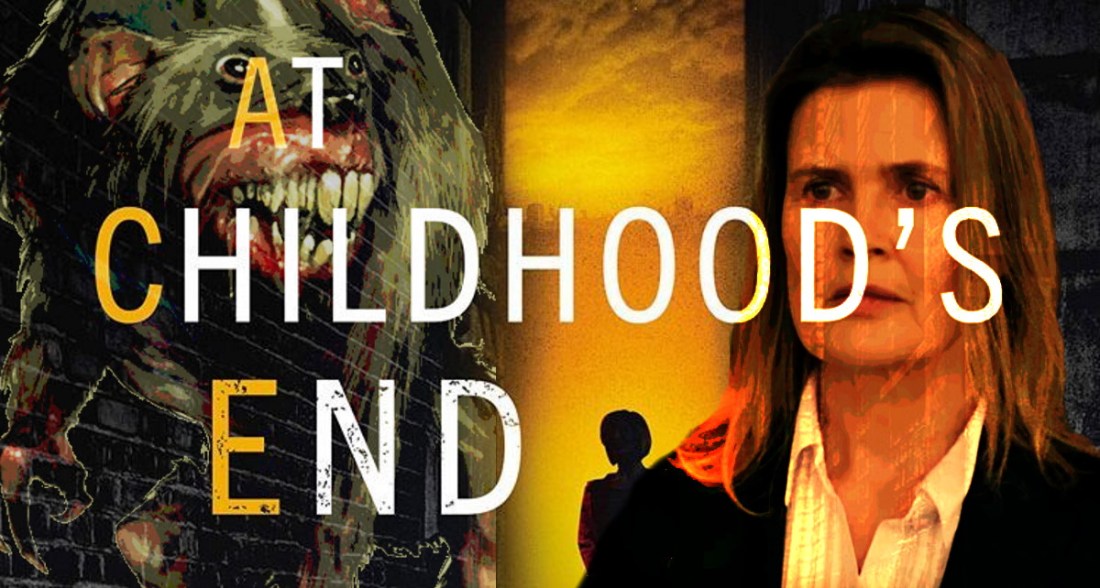
By this time the storyline is properly underway, with two new enemy alien races introduced – shape changing rat henchmen the Ratts, and a warrior race of centaurs with horse-shaped heads called the Astingir. The latter could be criticised as being essentially that Klingon trope of soldiers who talk about honour and codes an awful lot. Nevertheless they are well motivated and described, whilst the Ratts are successfully written as pretty unsettling. The authors have created a story that reaches back to the time storm which abducted Ace in the first place and features numerous call backs to other Doctor Who stories of many medias, without feeling off-puttingly fannish and derivative. The action is well described and the writing propels along at a good pace. The rest of the supporting cast are well sketched in with a few lines.

With a moody, effective cover, this is definitely one of the most pleasurable of the Doctor Who tie-in books related to the 21st century series I have read. I would definitely be interested if this same team chose to write another, either more Ace adventures or an original creation.

Doctor Who The Aztecs Special Edition DVD

Before we begin this revisit to another of my old ciao.co.uk reviews, a quick note that the latest edition of the Talking Pictures TV podcast is now out. Hosted by Scott Phipps, it features a contribution by myself on the 1979 Quatermass series by Thames. Plus lots of interesting reviews about old British gems like Hobson’s Choice and The Snorkel. Listen to it now at Spotify, iTunes etc or its website. Thank you, now back to the marvellous Hartnell era of Doctor Who.

Two very different adventures for the First Doctor: The Aztecs finds the original TARDIS crew trapped in the Aztec empire at the height of its powers, two years before Cortez would arrive to destroy it. When Barbara is mistaken for a god she tries to use her influence to change history and save this civilisation. Meanwhile Galaxy Four sees the Doctor and two of his later friends, Steven and Vicki, caught between two alien races on a dying planet. The beautiful Dravhin women say they are under attack by the ugly inhumanoid Rill but time travellers begin to suspect otherwise.

The cover for this DVD doesn’t do its contents justice, advertising it as simply an improved version of The Aztecs when in fact it really a double bill that also features a recently recovered episode from the Hartnell  era which forms the centre piece of a restored ‘lost’ story Galaxy Four. The Aztecs was the first William Hartnell story to be released on DVD, in 1992 at a time when fan were still buying stories on VHS to complete their collection. It was a natural choice for the fledgling new line, being generally regarded as one of the gems of his period. At the time its picture and sound restoration was impressive but this new version is even sharper and clearer. In addition there are some new extras.

The Aztecs illustrates many of the best qualities of the Sixties era of the show. Very ambitious in scope, with several entwining sub-plots, not to mention recreating the city of Tenochtitlán in a small studio. The script intelligently deals with the moral dilemmas of twentieth century British values clashing with the South American nation’s very different mindset, especially their acceptance of human sacrifice. There is a little bit of time-travel SF as the Doctor tries to stop Barbara from interfering in established history and an educational aspect as writer John Lucarotti explores this ancient culture. All the regulars are in superb form, even Susan whose sub-plot about becoming the reluctant bride of ‘The Perfect Victim” was devised to give actress Carol Ann Ford a well deserved holiday. There’s even some humour as the Doctor’s ignorance of local custom leads to him becoming accidentally engaged to a gentle Aztec woman called Cameca. The serial also benefits from strong guest performances by John Ringham and Walter Randall as the rival high priests. This is possibly my favourite of all William Hartnell’s stories.

If you were to ask any Doctor Who fan what lost story they would like to be rediscovered, it is unlikely that many of them would have named Galaxy Four. Due to the lack of many photographs, virtually no pictures at all of its star monster the Rills, and coming from a less well regarded period of the programme, this is one of show’s more obscure stories. But that means watching it now there is a delightful element of surprise and discovery. Episode 3 – “Airlock” was recovered from a private collector last year. This has been combined with an existing clip from episode one, the surviving soundtrack and a lovingly made fan reconstruction featuring photoshopped images and new modelwork of the scenes where only the robot Chumblies are involved. The producers have made the wise decision to cut out about a third of the reconstructed footage, resulting in a pacier hour long version of the four part story, which does not harm the plot at all, since the original did feature some padding and repetition as characters go to and fron between the two crashed spacecraft and the TARDIS. If you want to experience the complete version, then you can buy the soundtrack on CD.

Galaxy Four is reminiscent of a Star Trek episode in many ways. It has a simple ‘don’t judge by appearances” moral, studio bound desert planet set and it would easy to imagine Captain Kirk trying to seduce one of blonde Dravhan women. What it lacks in sophistication, it makes up for in incidental pleasures such as the endearing Chumblies, robot servants of the Rills which look like three bowls stacked on top of each other. Clearly an attempt to create another money spinning character like the Daleks by author William Emms, the Chumblies failed to catch on with the public. Meanwhile the Rills are purposely rather immobile, unable to leave their ship due to the planet’s atmosphere being poisonous to them but they look suitably bizarre and Robert Cartland provides a fruity theatrical voice for them. Best of all is Stephanie Bidmead as Maaga, the ruthless leader of the Dravhans. She’s intelligent, drily self-aware and a bit of a sadist. Her high point is delivering a memorable speech into the camera as she contemplates the forthcoming death of the Rills and the Doctor. Hartnell and Maureen O’Brien make a good team as they explore together, in fact I think this is as good as I’ve ever seen Vicki.

This two disc set comes with a plenty of extras. There are most of the features from the original release: a Blue Peter item with Valerie Singleton visiting the ruins of Tenochtitlan and giving a potted history of Cortez and Montezuma, “Remembering the Aztecs” – interviews with surviving cast members, “Designing the Aztecs” – an interview with designer Barry Newbury and “Making Cocoa” – an amusing animated guide to making the chocolate drink the authentic Aztec way. Also remaining is the option to watch episode 4 with Arabic dubbing as recorded in the sixties and one of the TARDIS Cams, a series of wordless short videos produced by the BBC’s then newly formed online media department in the early Noughties.

The commentary features producer Verity Lambert and actors Carol Ann Ford and William Russell. It’s not that good unfortunately because their specific memories are few and far between, making most of material just comments on what they are watching like three viewers. It was commentaries like this that prompted the DVD makers to start including a knowledgeable fan in the panel for later sixties stories.

As well as Galaxy Four, the second disc features the brand new DVD content. From the BBC2 archives comes an episode of the history series Chronicle. “The Realms of Gold” is wonderful documentary about the story of Cortez and the Aztecs. If it was being made today it would have dramatic reconstructions, CGI and a booming score. There’s something rather relaxing about its more academic tone, with contemporary illustrations, maps, location filming and an austere score by the Radiophonic Workshop. Also from the library comes what is almost certainly the first Doctor Who TV comedy sketch, a clip from Michael Bentine’s “It’s a Square World” featuring Clive Dunn dressed as The Doctor, playing a rocket scientist.

Many people who buy Doctor Who DVD’s are collecting the whole set. This has encouraged the makers to make several multi-part documentaries spread across several titles. “Doctor Forever!” is taking a look at the wider world of Doctor Who as a phenomenon. This episode is about the merchandise. It’s a subject that could easily fill an hour but this twenty minute feature covers a fair amount of ground, from Sixties Dalekmania to today’s highly detailed action figures. Some of the more unusual items are looked at too, such as the TARDIS Tuner and Tom Baker underpants. It’s one of my favourite features in the package. “A Whole Scene Going” was a Sixties magazine programme and there’s a report on the making of the second Dalek film, including a rare interview with Gordon Flemmyng.

This year there are several special editions of the older Doctor Who DVD titles coming out but this one is I think is the most worthwhile. Well recommended.

Doctor Who – Colony in Space DVD Review

As gorgeous as the new Doctor Who Collection bluray sets are, one of the strengths of the DVD releases was that, for one month, nearly every story, regardless of reputation, got its moment in the sun. Its episodes were the center of a collection of DVD extras, memories and artwork. Because there are some adventures that otherwise might always be the roughage of a season, a spacer between other more celebrated titles. Colony in Space is such a serial. The most six-parterly of all Pertwee six-parters,

The Master has stolen the Time Lord’s secret files about a legendary weapon hidden on the planet Uxarieus. So they take control of the TARDIS to send the exiled Doctor and Jo Grant on a mission to stop him. Unaware of the true reason for their journey, the pair become embroiled in the conflict between a poor farming colony and a powerful IMC mining exploration team. Uxarieus is also the home a race of primitive tribal warriors who live inside an ancient city of incredible technology, ruled by mutated priests. When the Master arrives in disguise, the Doctor begins to realise that there is a far greater danger than just the ruthless IMC Captain Dent and his troops.

One of my favourite Doctor Who novelisations is Doctor Who and the Doomsday Weapon by Malcolm Hulke, based on his own script for Colony in Space. It’s full of interesting characters and what makes them so vivid is their back stories, which also illustrate Earth’s future civilisation. It is a grim over-industrialised society where people have little experience of the outside and big corporations rule. It was shock therefore when I finally saw Colony in Space on UK Gold and found that the television version has very little of what made the book great, such as the Doctor showing the colonists how to hold a simple funeral. A ceremony they had little experience of in their automated lives. Instead these episodes are a bit of a plod, with a lot of the Doctor moving back and forth between the three camps, slowly working out a fairly simple story. The characters are all fairly stiff as well, although Bernard Kay gives some colour to his role as a sympathetic IMC mineralogist and Morris Perry is coldly effective as the fascist IMC Captain Dent. Coronation Street icon Helen Worth also appears as Mary, the young daughter of the colonist’s leader.

It doesn’t help that the planet looks is essentially a mixture of grey/brown sand and rock, even if it is convincingly harsh. Perversely, the Doctor’s first visit to an alien planet in the colour television era finds him driving through an empty quarry for most of the time. Even the alien city is largely rendered in cramped brown rocky corridors and rooms. The Uxarians are not much to get excited about either. Neither the spear-waving primitives or the gargoyle-like priests can talk and despite Jo Grant screaming when they appear, they never seem like much of a threat either. The shrunken Guardian is another disappointment, a very obvious puppet with an actor’s head poking out on top. Speaking of Jo, it’s interesting to compare her first trip in the TARDIS with those of the more recent companions. Whilst Rose, Clara et al greet the universe with wonder and thinks it really cool, Jo steps out of the TARDIS, wrinkles her nose and is asking to be taken back to UNIT HQ within a couple of minutes!

Colony in Space is essentially a western – homesteaders versus the big cattle baron, with the Uxarians playing the Indians. They even have a couple of shootouts with old fashioned rifles.  Thankfully the story does pick up a little once the Master arrives, played with charming evil by Roger Delgado, but its speed never develops into more than a trot.

This DVD is relatively light on extras. “IMC Needs You!” is framed by some amusing South Park style animation but is otherwise a straightforward making-of doc, with much emphasis on the terrible weather and muddy conditions the team had to endure. Probably the most interesting fact is that the script originally called for Dent to have a ruthless female henchman, but Ronnie Marsh the Head of Serials felt that a woman in a leather uniform shooting people was too kinky for family viewing.  All the contributors seem fairly happy with the resulting episodes.

“From the Cutting Room Floor” – features a collection of outtakes and behind the scenes moments from the location filming. It’s one of the more entertaining examples of this feature, with some nice moments of humour from Delgado and Pertwee.

The commentary is a fairly luvvie one this time. Comedian and television historian Toby Hadoke chairs a discussion with stars Katy Manning, Bernard Kay and Morris Perry being joined by director Michael E Briant, Assistant Director Graham Harper (who in recent years has directed the new Doctor Who and the Coronation Street tram crash) and script editor Terrance Dicks. It’s a jolly conversation, with some laughs at the show’s expense, which frankly this story deserves.

After that there are the standard photo gallery and information subtitles, whilst Frank Bellamy’s marvellous comic strip in the Radio Times which promoted the first episode can be opened as a PDF. Colony in Space is a very average story and one for the fan completest rather than the casual viewer.