
This week sees the launch of the latest episode of the Very British Futures podcast, an epic length appreciation of The Tomorrow People, one ITV’s most successful family science fiction programmes. I did consider splitting this into two parts but after editing I found it came to about the same length as the Out of this World episode from earlier this year. Not only that, but I am looking at the whole 8 year run of the show, in the company of my friends Tim Reid and Charles Auchterlonie. They’re the hosts of the Doctor Who-centric Randomiser podcast and had been gradually reviewing the series of the last few years.
Even though it’s become a cliched observation, ITV’s children’s fantasy dramas had a golden age in the 70’s. Whilst BBC children’s television tended to adapt classic books and look to the past, the ITV regions produced a string of imaginative contemporary stories including Children of the Stones, Sky and Raven. Made by Thames Television, Roger Price’s bold, ambitious creation The Tomorrow People ran on ITV from 1973 to 1979. A show brimming with imagination, optimism, and youthful energy, it carved out a distinctive niche and left an indelible mark on a generation of viewers.
At its core, The Tomorrow People was about evolution and possibility. It introduced audiences to a group of young people who represented the “next step” in human development—homo superior—equipped with extraordinary abilities like telepathy, teleportation (“jaunting”), and telekinesis. These weren’t superheroes in tights or grim antiheroes in dystopias, but relatable young characters navigating their own growth, relationships, and responsibilities while using their powers to defend humanity. They were also incapable of killing. This gave the series a refreshing tone of hope and inclusivity, at a time when much 70’s science fiction leaned toward bleak futures especially pre-Star Wars.
What made the show so enduring was its fusion of big ideas with a strong sense of fun. Roger Price never shied away from tackling issues of morality, prejudice, and power, but always through adventurous plots that whisked viewers from alien worlds to sinister conspiracies and futuristic technologies. Its use of cliffhangers and serial storytelling kept young audiences glued to their sets, eagerly awaiting the next installment.
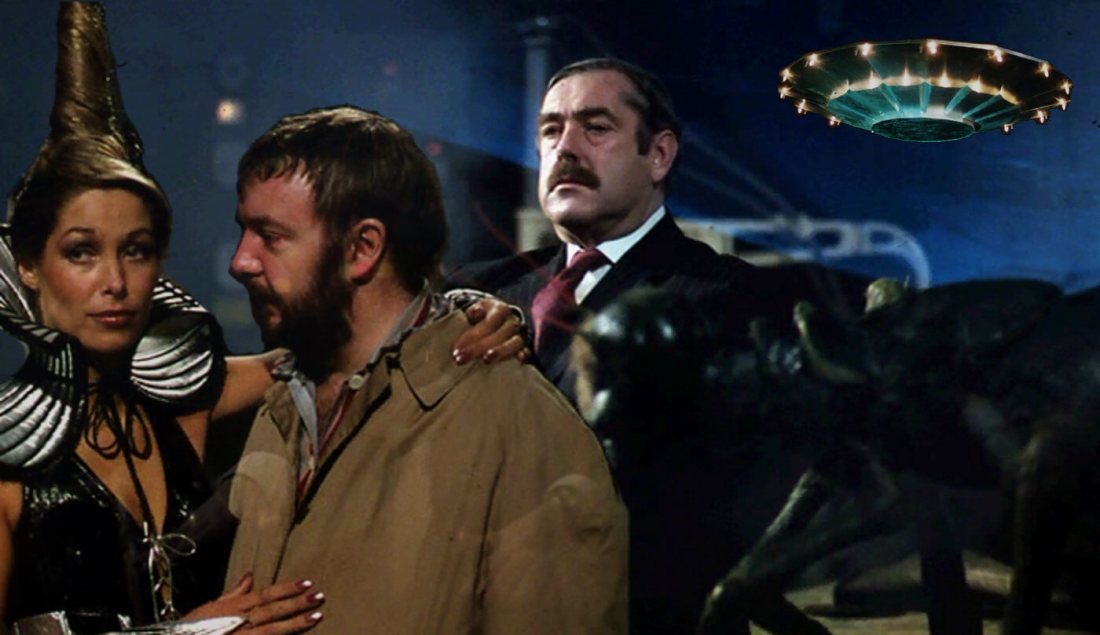
Visually, it bore all the hallmarks of 1970s British sci-fi charm—psychedelic effects, imaginative (if sometimes endearingly low-budget) alien designs, and that iconic teleportation shimmer. But rather than being a drawback, these quirks only enhanced its cult appeal, making the show feel daring and inventive, produced with enthusiasm that more than compensated for limited resources.
Whilst Doctor Who had a comforting authority figure, the series put teenagers at the center of the narrative, giving them agency and positioning them as the future—literally. For many young viewers in the 1970s, it was a encouraging recognition of their own potential, wrapped up in a sci-fi adventure.
Simply put, The Tomorrow People wasn’t just a children’s sci-fi show—it was a celebration of human potential, a call to believe in better futures, and a shining example of how bold ideas and youthful spirit can create something timeless.
You can listen to Very British Futures on your favourite podcast app or here.


 The Phantom Frame