British television has long demonstrated a fascination with time travel. The very first UK television SF production was an adaptation of H G Wells’ The Time Machine. From ambitious science fiction dramas to educational children’s programming, television has often used time travel not simply as a device for adventure, but as a means of exploring larger questions about history, identity and the world to come. However, the subject of this episode is simply escapism all the way.
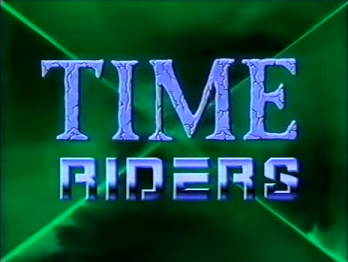
Our latest episode of Very British Futures turns its attention to one of the more overlooked examples of this tradition: Time Riders, produced by Thames Television for CITV and first broadcast in 1991.
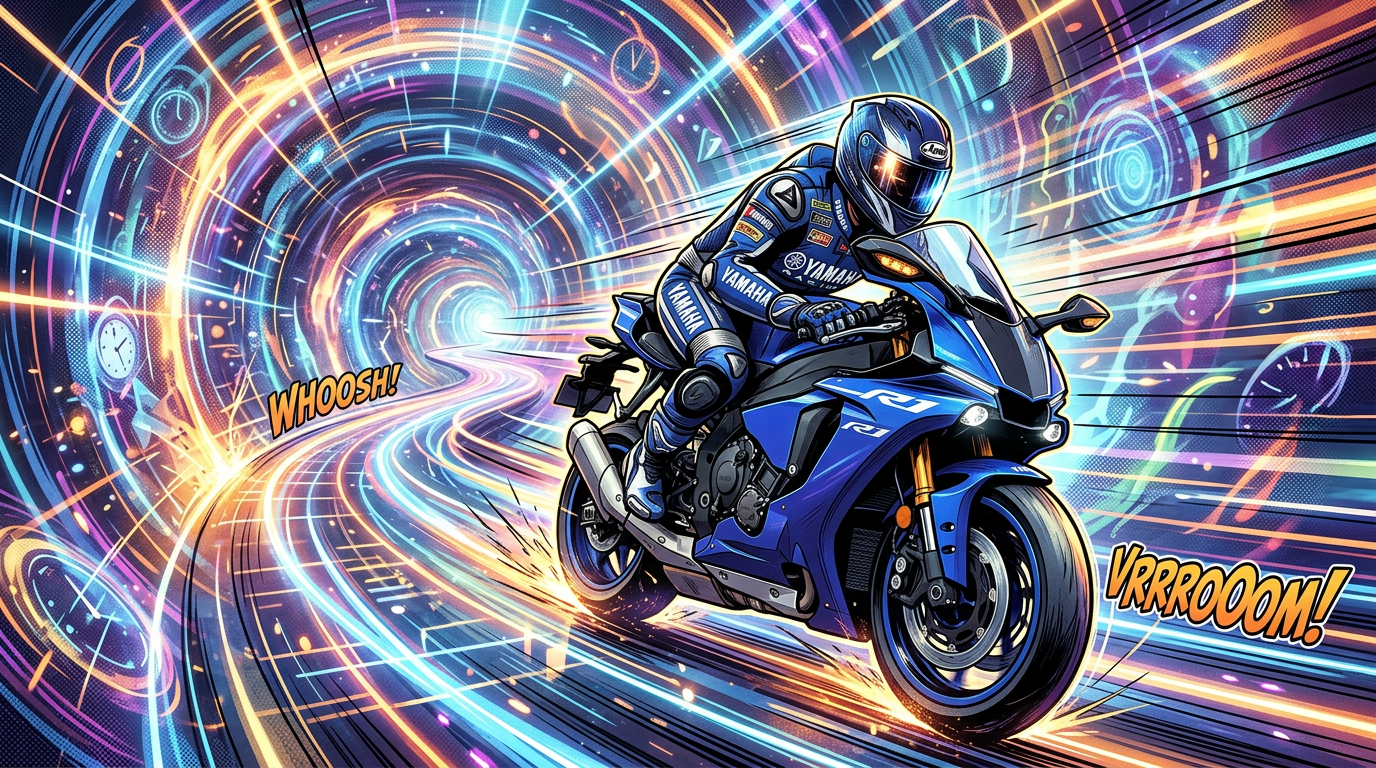
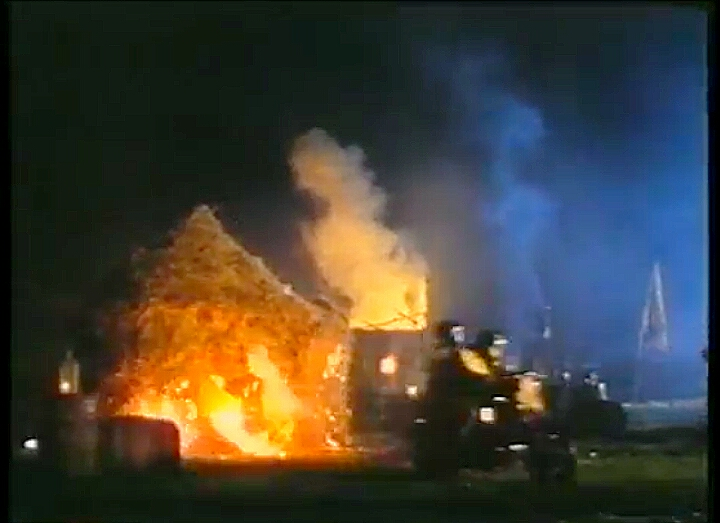
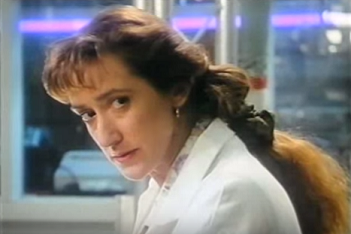
Dr B B Miller is a maverick genius who has invented a time machine. When her boss Dr Crow tries to take credit and worse, kidnaps Ben, a young urchin teleported from Victorian times, Miller rides to the rescue and converts her motobike into a time machine so they can escape into the past. They find themselves amongst the violence of the English Civil War and pursued by Roundheads, sadistic aristocrats and finally the Witchfinder General.
Starring Hadyn Gywnne, Kenneth Hall, Ian McNiece, Clive Merrison, Julie T Wallace and James Saxon. Written by Jim Eldridge, produced by Alan Horrox, and directed by Michael Winterbottom.
Arriving at the beginning of a new decade, Time Riders emerged during a period of considerable social and technological change. Personal computers were becoming increasingly visible in everyday life, ideas about the approaching twenty-first century were beginning to take shape, and British children’s television continued to display a remarkable willingness to engage younger audiences with ambitious storytelling.
The series combined elements of science fiction, historical drama and adventure. Like many British children’s programmes of its era, Time Riders treated its audience with a notable seriousness, assuming that younger viewers were more than capable of engaging with ideas that extended beyond straightforward entertainment. It’s an interesting stablemate with Dark Season on BBC1. However it has not maintained a particularly high public profile in the decades since its original transmission. Yet for many viewers who encountered it at the time, it remains a distinctive and memorable part of early-1990s telefantasy.
In this episode, we examine the origins and production of the series, and see how well it holds up. To help explore these questions, we are joined by Rebecca Wray, Kevin Hiley and Tina Jones. Kevin and Rebecca are familiar voices to Very British Futures, whilst Tina is making her debut.
You can listen to Very British Futures on your favourite podcast platform. For example you find it on Spotify here.